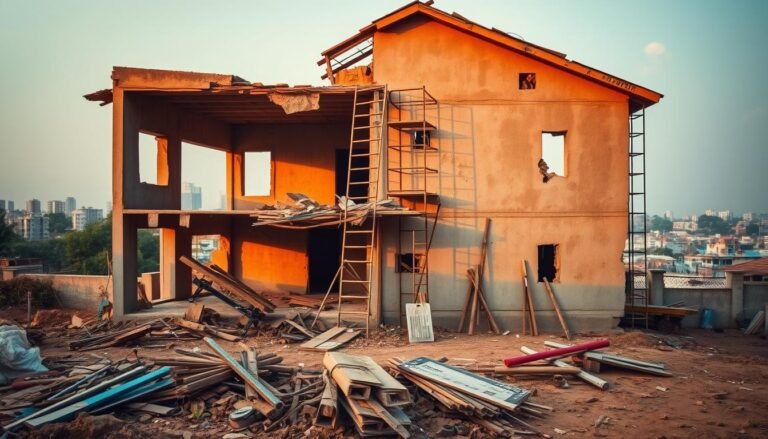

Home Renovation vs. New Construction: Which is Better for Bangalore Properties?
Which path gives the best value: stretching an existing home or building from the ground up?
We frame this decision so Bangalore property owners can compare finances, timelines, and outcomes. We note that renovation can save time by using existing plumbing and wiring, but hidden issues in older homes can raise costs fast.
New builds give total design freedom, modern safety, and predictable performance, yet they demand higher upfront investment and site work like clearing and utility laying. Location inside the city affects labor access, material prices, and project timelines, especially during monsoon months.
In this guide we will show practical steps to set a clear budget, align project scope with resale and living goals, and choose services and quality checks that matter. Our aim is to help you pick the option that maximizes value and fits your needs—not just the lowest initial cost.
Understanding Bangalore Home Goals and Today’s Decision Context
Before choosing a path, we define what success looks like for your property. That clarity makes the difference between a project that fits your life and one that only looks good on paper.
We start by listing priorities: more usable space, brighter rooms, better efficiency, or upgraded finishes. Then we map how family size, multigenerational needs, or work-from-home setups change those priorities.

Location matters. If you value your schools, commute, and local amenities, staying in the same area can preserve daily convenience and long-term value. But zoning and plot rules will shape what is practical.
- Score your needs: budget flexibility, schedule tolerance, and design ambition.
- Plan for 10–15 years: growing kids, aging parents, and changing work patterns.
- Align emotion and function: keep heritage features if they matter, and improve storage, ventilation, and acoustics.
- Turn needs into a clear brief so a contractor can price the project with fewer assumptions.
We treat this as a property strategy, not just a build task. That viewpoint helps you weigh trade-offs and make a choice that keeps your home useful and valuable in the long run.
What We Mean by Renovation and New Construction
We separate two clear options so you can compare limits, cost drivers, and likely timelines. Each path shapes what trades do, what permits you need, and how much control you have over layout and systems.
Renovation: Adapting an existing structure
We call renovation the work that upgrades layout, systems, and finishes while keeping the existing shell. Projects range from cosmetic updates to heavy reconfiguration that may need code upgrades.
This route leverages existing plumbing and wiring but faces constraints like load-bearing walls, column grids, and stair placement. Clear scope and trade coordination help control time and cost.
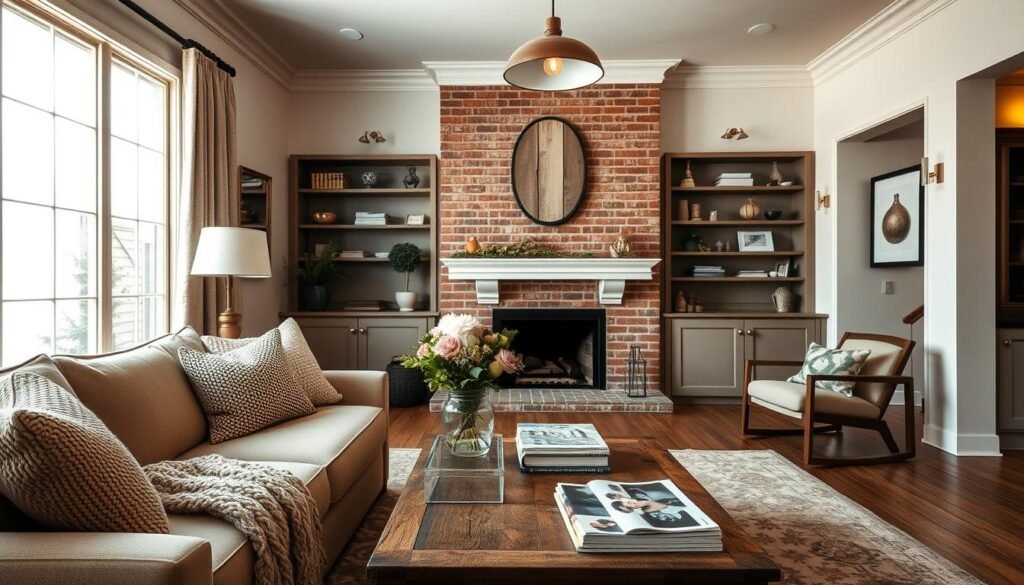
New construction: A clean slate approach
New construction begins with site prep, foundations, and a full structural frame. It lets us set ideal room adjacencies, modern services, and a high-performance envelope to current codes.
Both paths can include interior upgrades such as right-sized HVAC and water-efficient plumbing. The choice affects permits, inspections, insurance, and how we stage work on site.
| Aspect | Existing Home | New Build | Typical Outcome |
|---|---|---|---|
| Design freedom | Moderate (within constraints) | High (full customization) | Layout vs full control |
| Systems work | Upgrade or reuse plumbing/wiring | Install new utilities and services | Predictable performance |
| Site logistics | Staged work, limited access | Full site prep and staging | Different permit paths |
Cost Comparison in Bangalore: Budgeting for Each Path
We compare typical spends and hidden risks so you can set a realistic budget for your build or upgrade.
Typical renovation costs, hidden contingencies, and scope-driven budgets
Major remodels had a median spend near $22,000 in recent data; kitchens and baths often sit around $20,000 and $13,500 respectively.
Local averages near $100 per sq ft vary widely. Always set a 15–20% contingency for discovery risks like outdated wiring, plumbing problems, foundation concerns, or hazardous materials.
New construction cost components: land, design, permits, materials, and utilities
New construction typically runs from $150+/sq ft. Key stacks include land/site prep ($50k–$200k+), design fees (5–15%), materials and labor ($200k–$500k+), permits ($5k–$20k), and utilities ($10k–$50k).
How to plan a contingency and avoid budget creep on both project types
- Document design decisions early to avoid mid-project changes.
- Sequence payments to match completed work and verify services before release.
- Choose durable materials—tiles, joinery, and glazing—to reduce lifecycle maintenance and improve resale value.
| Item | Renovation (typical) | New Build (typical) |
|---|---|---|
| Per sq ft | $100 (varies) | $150+ |
| Contingency | 15–20% | 15–20% |
| Major extras | Plumbing, wiring, hazardous removal | Land, site prep, utilities |
Timelines and Disruption: How Long Each Option Usually Takes
How long a project takes often decides whether we stay put or move. We balance time, budget, and daily living when planning work on a home. Below we set realistic schedules and note common disruptions so you can plan better.
Renovation durations from cosmetic updates to whole-home remodels
Minor cosmetic updates often finish in 2–6 weeks. Kitchens typically take 6–12 weeks and bathrooms 4–8 weeks.
Room additions run 3–6 months. Whole-home remodels usually span 6–12 months, depending on structural changes and hidden issues.
Living in the house adds coordination time. Plumbing, electrical, and HVAC lead times often set the critical path for projects.
New build phases: design, permitting, foundation, systems, and finishes
A new construction schedule stacks as: design and permits (2–4 months), site and foundation (1–2 months), framing (2–3 months), systems (1–2 months), interiors (2–3 months), and final handover (about 1 month).
Weather, permit cycles, and material availability—especially during monsoon season—can extend any plan. We recommend weekly progress reviews and locking designs before procurement to avoid costly rework.
| Phase | Typical Duration | Impact |
|---|---|---|
| Cosmetic | 2–6 weeks | Low disruption |
| Major remodel | 6–12 months | High disruption; may require temporary living |
| New build | 6–12+ months | Full site work; phased living plans needed |
Design Freedom, Functionality, and Space Planning
Good space planning turns awkward corners into useful rooms and reveals if a home can meet your daily needs.
When an existing layout supports your lifestyle: we look for clear circulation, daylight in key rooms, and plumbing cores that match your routine. Small interior changes—storage, pocket doors, or reworked service zones—can improve living without major structural work.
When the layout limits you
We flag load-bearing constraints, odd floor plates, and narrow circulation that reduce usable space. If long-span openness or a new parking layout is essential, a full rebuild often gives better value and predictable outcomes for the project.
Custom plans, efficiency, and future-proofing
New construction allows precise floor adjacencies, cross-ventilation, and right-sized mechanical systems for better efficiency. We layer universal design, flexible rooms, and service risers so the property adapts as needs change.
| Approach | What we can change | When it works best |
|---|---|---|
| Adapt existing | Storage, finishes, minor wall moves | When shell is sound and layout mostly fits |
| Full build | Floor plan, daylighting, systems | When layout or efficiency goals demand control |
| Hybrid | Selective demolition, new services | When character must be kept but performance improves |
renovation vs new construction bangalore: Pros and Cons at a Glance
We weigh quick wins, long-term value, and daily disruption to help you choose the best option for your property. Below is a concise summary to match goals, budget, and site realities.
Key advantages and drawbacks of renovating a Bangalore home
Benefits include lower entry costs, faster delivery for focused work, and keeping a preferred location and character.
Drawbacks are hidden problems such as old wiring or structural repairs, code-driven upgrades, and the hassle of living through work.
Key advantages and drawbacks of building a new home in Bangalore
Benefits include full design control, modern energy performance, and initial warranty coverage that cuts early maintenance risk.
Drawbacks are higher upfront costs, longer schedules, and the effort to shape neighborhood fit and approvals.
- Space: incremental gains in remodels; purpose-built layouts in a full build.
- Value drivers: match choice to budget flexibility, schedule tolerance, and long-term performance.
- Options: phase work—upgrade now, plan later expansion, or hold for a later rebuild based on plot potential.
| Aspect | Update | Full build |
|---|---|---|
| Costs | Lower initial, higher risk of surprises | Higher upfront, predictable systems |
| Timeline | Shorter for select scopes | Longer but phased |
| Design | Limited by existing shell | Complete layout freedom |
Local Factors in Bangalore: Regulations, Sites, and Neighborhood Realities
Permits, weather, and neighborhood logistics often set the true pace for any project. We begin by mapping the approvals and site limits that change scope and cost.
Permits and inspections shape sequencing. Early clearances reduce surprises and help us schedule trades. We recommend assembling title, layout, and structural reports before tendering work.
Monsoon months slow excavation, concrete curing, and exterior finishes. We plan heavy site work in dry windows and pre-order materials to avoid rainy-season delays.
Labor and materials availability affect lead time. Local shortages push up costs and time, so early procurement or staging buys schedule certainty.
Dense areas need tight site logistics. Storage, scaffolding, and safe access windows protect neighbors and improve safety while we work.
| Constraint | Renovation | New construction |
|---|---|---|
| Permit impact | Often quicker but may require structural clearance | Full approvals needed; design reviews common |
| Weather/time risks | Exterior repairs delayed in monsoon; plan indoor phases | Foundations sensitive to rain; schedule dry months |
| Site logistics & safety | Limited storage; staged deliveries and night work options | Full site setup possible but needs traffic and waste plans |
We check drainage, setbacks, and utility tie-ins early. These issues often change feasibility or add costs. Pre-construction surveys of adjacent homes cut dispute risk and improve safety.
Finally, we align the project calendar with school terms and festivals to reduce family disruption. Good planning of documents and approvals speeds up delivery and keeps the project on track.
Sustainability and Efficiency: Long-Term Operating Costs
Sustainability choices made today determine utility bills and comfort for years. We view efficiency as an investment that shrinks monthly costs and raises home value.
For targeted renovation upgrades, we prioritize better insulation, high-performance windows, right-sized HVAC, and water-saving plumbing fixtures. These moves cut energy use and produce tangible savings within a few years.
In full new construction projects, we design high-performance envelopes, airtight assemblies, and solar-ready roofs. That approach gives predictable performance and easier compliance with modern codes.
- Big wins: insulation, glazing, shading, and efficient HVAC.
- Water strategy: low-flow fixtures and rainwater capture timed to seasonal rains.
- Maintenance: filters, sealants, and coatings preserve efficiency gains.
| Approach | Typical Benefit | Maintenance |
|---|---|---|
| Selective upgrades | Lower bills in 2–5 years | Filter changes, seal checks |
| Full build | Higher predictability, renewable-ready | Periodic sealing, panel upkeep |
| Phased work | Spreads cost, quick wins first | Ongoing small tasks |
We also weigh embodied carbon: keeping a sound shell often wins the lifecycle case. Use our checklist in procurement to set efficiency targets and track benefits through the project.
Resale Value, ROI, and Maintenance Outlook
A clear plan for resale helps us pick upgrades that return the best share of our budget. We focus on projects with proven recovery rates and on choices that reduce ongoing maintenance costs for the homeowner.
High-impact updates often give the best value. Minor kitchen remodels recover about 85.7% of cost; bathroom additions about 70%. Curb improvements like garage doors and stone veneer frequently exceed 90% recovery.
For full builds, warranties on systems and modern finishes lower early-life maintenance. Buyers value predictable costs and up-to-date design, which can speed sale and reduce concessions.
| Project | Typical ROI | Buyer Impact |
|---|---|---|
| Minor kitchen remodel | ~85.7% | High—modern finishes, layout appeal |
| Bathroom addition | ~70% | Medium—improves functionality |
| Garage door / veneer / deck | 75%–93.8% | High—curb appeal and perception |
We advise aligning any investment with neighborhood price ceilings. Space planning, added storage, and durable finishes raise perceived value more than high-end bespoke fittings that exceed local expectations.
Documenting upgrades, warranties, service records, and quality checks helps appraisers and buyers. That documentation, plus solid workmanship, reduces inspection issues and supports a stronger resale value.
Choosing the Right Partner: Contractors, Designers, and Engineers
Picking the right team changes how smoothly a project runs and how much value you get at handover. We focus on clear checks that protect your time, money, and the quality of interior and exterior work.
Licensing, insurance, references, and detailed contracts
Always verify licenses, certifications, and statutory compliance. Insurance and liability cover protect you if accidents or defects occur.
Ask for three references and visit recently completed homes to inspect workmanship. Check that portfolios match the scale and style you need.
- Confirm license numbers and insurance policies in writing.
- Require a contract with scope, materials, timeline, payment schedule, and change-order rules.
- Include dispute-resolution and warranty clauses for smoother closeout.
Matching expertise to project type
Match teams to the work: retrofit specialists handle tricky upgrades, while full-build teams manage site logistics and systems. We recommend checking prior experience for similar projects.
Review service bundles—design, engineering, and construction—and confirm who leads coordination. Interior designers should align finishes with structural needs early on.
Planning, communication, and financial safeguards
Set regular progress meetings and written reports to track schedule and budget. We advise staged payments tied to verified milestones to limit upfront exposure.
Prequalify subcontractors, check financial stability, and require site safety protocols to protect workers and neighbors. These steps reduce delays and keep the project on course.
| Check | What to Verify | Why it Matters |
|---|---|---|
| Licensing & Permits | Registration numbers, statutory compliance | Legal compliance and permit approval speed |
| Experience & Portfolio | Similar scale projects, client references | Predictable quality and fewer surprises |
| Contract & Payments | Scope, materials, timeline, change orders | Budget control and clear expectations |
| Safety & Insurance | Site protocols, worker coverage | Reduces liability and protects property |
Conclusion
The right choice for your home hinges on budget, timeline, and how you use the space.
We recap that both renovation and new construction offer solid benefits for a property when matched to house condition, plot potential, and location. Define scope early, set a realistic budget, and lock key decisions to reduce surprises and protect your investment.
Balance near-term gains with long-term maintenance and resale goals. Keep contingency funds, align services and building sequences with monsoon timing, and partner with experienced teams to secure quality, safety, and cost outcomes.
Use this guide as a practical checklist. With clear briefs and disciplined execution, either path can deliver value and a house that fits your needs.