Top 10 Mistakes to Avoid When Building a House in Bangalore
Are you sure a rushed decision won’t cost you years of regret and extra bills?
We know many home projects in the city went off-track because owners started without a clear plan, a vetted team, or knowledge of local approvals. Our guide breaks down the specific errors that cause delays and extra time on site.
In this short introduction we explain why upfront planning tied to your plot and lifestyle saves money and stress. We stress soil tests, drainage for monsoon seasons, 3D drawings, and a 10–15% contingency to protect the budget.
We will also show how proper permits from BBMP, BWSSB, and BESCOM, strong contracts, regular site checks, and code-compliant designs shield your investment. Read on for a practical checklist that turns a chaotic project into a methodical building journey.
Overlooking Upfront Planning and Contemporary Design Alignment
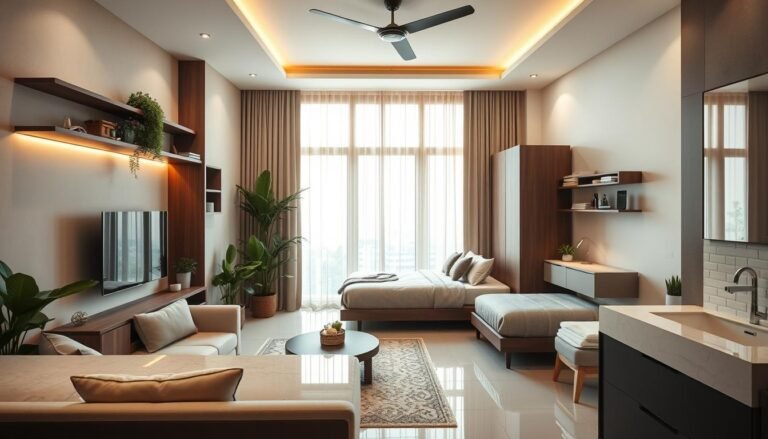
Good design begins with clear choices about how your family lives and grows over time. We start with a concise brief that ties lifestyle, furniture layout, and future expansion into a workable plan.
Clarifying lifestyle needs and space planning
We map occupants, work-from-home needs, and storage so each room reflects real daily patterns. Scaled furniture plans validate room sizes and circulation early, reducing the chance of rework later.
Balancing natural light, ventilation, and Vaastu
We evaluate land orientation, setbacks, and neighbors to place openings for natural light and cross-ventilation while keeping privacy. On tight plots, we align Vaastu preferences pragmatically so function and codes remain intact.
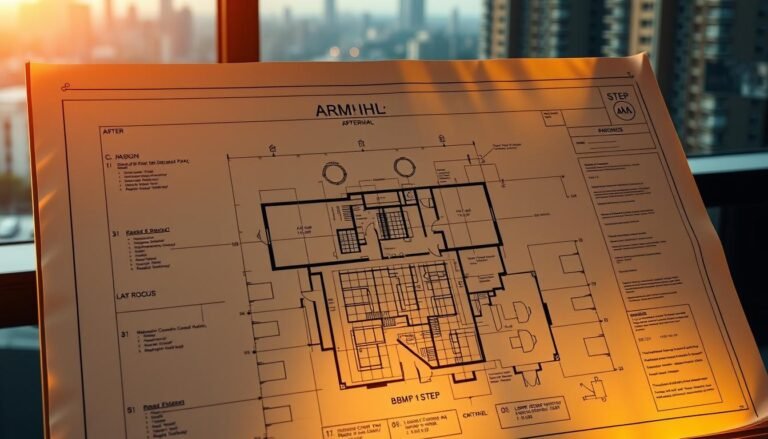
Why detailed drawings and 3D models matter
3D models show massing, daylight paths, and façade details. They resolve conflicts between aesthetics and function before work begins.
- Comprehensive drawings—architectural, structural, and MEP—cut ambiguity on window placement and lintel levels.
- Design choices include future expansion zones and service routings to protect the dream of a flexible home.
- We capture site constraints like neighboring shadows and road noise to ensure the plan performs on your land.
Starting Without a Realistic Budget and Contingency
A realistic budget is the foundation that keeps your project on schedule and on spec.
We recommend a full-scope budget that covers fees, approvals, utilities, interiors, and landscaping. This protects time and quality while giving homeowners clarity on true costs.

Accounting for design, approvals, utilities, interiors, and landscaping
Begin by listing architectural and engineering fees, BBMP/BWSSB/BESCOM approvals, excavation and structure, MEP, finishes, interiors, utilities, and landscape. Benchmark similar local builds to set realistic expectations for construction cost and material choices.
Separating must-haves from nice-to-haves to control construction cost
We split essentials—structural integrity, waterproofing, and electrical safety—from desirable upgrades like premium cladding. This lets you phase features without compromising safety or long-term quality.
Planning a 10–15% contingency for price fluctuations and surprises
Set aside a 10–15% contingency for steel, cement, finishes, and on-site surprises such as utility reroutes or soil work. Map cash flow to milestones so payments align with measurable progress and avoid last-minute cash crunches.
- Document brand and spec levels up front to prevent midstream substitutions that inflate lifecycle costs.
- Use transparent tracking for bids, purchase orders, and variations so homeowners remain in control of spend.
- Value-engineer with your team to save cost without reducing service capacity, durability, or safety.
Skipping Site Analysis, Soil Testing, and Drainage Planning
Skipping a proper site review often turns small ground problems into costly delays. We begin with geotechnical tests to learn bearing capacity, groundwater depth, and soil type so the foundation matches the land.
Proper leveling and compaction prevent differential settlement. Clearing vegetation and debris before excavation improves compaction and reduces contamination. We also set temporary drains during early work to avoid ponding that weakens subgrades.
Soil bearing capacity, leveling, and compaction essentials
We commission tests that let structural engineers finalize foundation depth and type. Cut-and-fill, plate compaction, and proof rolling create uniform support and reduce post-build settlement.
Site grading and stormwater strategy for monsoons
We design positive slopes away from the plinth and place surface channels and sumps to control runoff. Roof downpipes link to recharge pits or drains so runoff does not saturate the plinth or garden.
- Coordinate excavation sequencing with shoring and dewatering for safe access and long-term safety.
- Use blinding concrete where needed and document site levels so engineers can finalize details.
- Map underground utilities with neighbors to prevent accidental damage and avoid delays.
Compromising on Materials and Environmental Suitability
Material choices dictate how well a building weathers seasons and wear over time.
We insist on proven brands and climate-tested systems to protect longevity. Cutting corners on supplies raises repair frequency and lifecycle cost. We check batch certificates and storage practices for cement, steel, and membranes.
Selecting durable, climate-appropriate brands and suppliers
We specify UV-stable exterior paints, anti-fungal waterproofing, and corrosion-resistant fixtures for local humidity and sun exposure. We prefer low-VOC paints inside to keep air quality high for homeowners.
- Standardize sanitary and electrical brands for spare parts and warranties.
- Choose tiles with certified slip resistance for wet zones.
- Document approved brands and alternates in contracts to block unauthorized substitutions.
| Material Type | Climate Fit | Expected Durability | Lifecycle Cost |
|---|---|---|---|
| Exterior Paint (UV-stable) | High sun, humidity | 8–12 years | Moderate |
| Waterproof Membrane | Monsoon-prone areas | 10–15 years | Low to Moderate |
| Corrosion-resistant Hardware | High humidity, dust | 15+ years | Moderate |
| Low-VOC Interior Paints | Indoor air safety | 7–10 years | Low |
Weak Foundations and Ignored Structural Load Calculations
Many structural problems start below ground where poor choices meet variable soil conditions. We insist that certified structural engineers set foundation type, depth, and reinforcement from the geotech report.
Choosing the right foundation and reinforcement
We select isolated footings, rafts, or piles based on soil bearing capacity and adjacent loads. Footings and plinth beams are sized to sit below scour lines and deliver uniform support.
Designing for seismic and wind forces
We calculate load paths, size columns and beams, and detail ductile connections to meet national codes. This protects the building and improves long-term safety.
- Enforce correct bar diameter, spacing, cover, and lap lengths for durability.
- Require proper mix design, slump control, vibration, and curing regimes.
- Stage inspections before pours and document test cubes and steel receipts.
| Risk | Cause | Control |
|---|---|---|
| Settlement | Wrong foundation type or shallow depth | Soil-driven foundation selection and deeper footings |
| Reduced strength | Poor mix, vibration, or curing | Certified mix design, on-site slump checks, 7–28 day curing |
| Corrosion/Failure | Inadequate cover and poor bar placement | Cover blocks, correct laps, and documented inspections |
Faulty Electrical and Plumbing That Ignore Future Needs
Hidden wiring and buried pipes cause the most expensive surprises when future needs are ignored. Poor fittings and under‑sized panels lead to hazards, leaks, and repeated repair work.
We insist on licensed teams who follow local codes and size systems for growth. That keeps today’s projects safe and makes later upgrades simple.
Code-compliant wiring, grounding, and circuit planning
We do load calculations and circuit schedules so panels, breakers, and wire gauges support present and future appliances and EV charging.
We add proper grounding, RCDs/MCBs, and separate high- and low-voltage lines to cut fire and shock risk.
Leak-proof plumbing, correct slopes, and smart home readiness
We specify pressure-rated pipes, correct slopes, venting, and accessible cleanouts to avoid blockages and odors.
We pressure-test systems before concealment and keep as-built drawings for handover.
- Reserve conduit and spare circuits for lighting, data, CCTV, and smart devices.
- Place water heaters, tanks, and pumps with service access and safe electrical connections.
- Use weatherproof enclosures and IP-rated outdoor circuits for landscape and irrigation.
- Engage licensed contractor teams and document results so homeowners can maintain systems confidently.
| System | Key Control | Future-proofing |
|---|---|---|
| Electrical | Load calc, grounding, RCDs | Spare ducts, EV-ready panel |
| Plumbing | Pressure-rated pipes, slopes | Accessible cleanouts, test reports |
| Smart-ready | Structured cabling, reserves | Distribution board space |
We treat services as part of the design, not an afterthought. That approach protects your dream home and reduces costly invasive work later in the life of the house.
Poor Roofing, Waterproofing, and Thermal Performance
A poorly detailed roof can turn a small leak into a months-long repair saga.
We design roof slopes and gutters to drain quickly so water cannot pond and degrade membranes. Correct outlets and secondary scuppers protect interiors when primary drains clog during heavy rain.
We specify high-quality membranes with proper overlaps, terminations, and protection screeds to resist punctures and UV. Around skylights, parapets, solar mounts, and HVAC stands we seal details to close common leak paths.
- Choose tiles or reflective coatings to cut heat absorption and lower indoor temperatures.
- Install thermal insulation above living spaces and vapor control layers where condensation is likely.
- Separate terrace gardening with root barriers and dedicated drainage to protect the slab.
| Risk | Control | Benefit |
|---|---|---|
| Ponding | Correct slope & scuppers | Longer membrane life |
| Penetration leaks | Detailing & terminations | Dry interiors |
| Heat gain | Reflective finish & insulation | Lower cooling load |
We also plan maintenance access and coordinate roof services so loads are supported and waterproofing stays continuous. Final checks include on-site tests and mock-ups to verify workmanship quality before handover.
Inadequate Ventilation, Insulation, and Indoor Comfort
Indoor comfort often fails when ventilation and insulation are treated as afterthoughts. Poor thermal control raises energy cost and invites dampness that harms finishes and health.
We plan window sizes and operability to create cross-ventilation paths so rooms stay comfortable with less reliance on AC. We tune shading—chajjas, fins, and screens—by orientation to cut glare while letting daylight reach deep into living space.
We specify insulation values for roofs and external walls to reduce heat gain and stabilise indoor temperatures. Attic and service-shaft ventilation prevents trapped heat and moisture that lead to mold and degraded materials.
- Coordinate ceiling fans, exhausts, and fresh-air intakes with electrical layouts for quiet, effective airflow.
- Choose low-VOC finishes and ensure adequate air changes in bedrooms and kitchens for healthier indoor air.
- Size HVAC to match the insulated envelope so systems run efficiently and lower long-term running cost.
We test sun path and airflow during design so building home decisions are evidence-based. The result balances aesthetics and performance so your dream interior stays comfortable across seasons.
house construction mistakes bangalore: Choosing the Wrong Builder, Contracts, and Oversight
Picking the wrong builder can turn a dream project into a months-long negotiation over quality and milestones. We focus on due diligence, clear contracts, and steady oversight to keep costs and timelines under control.
Vetting teams and references
We visit completed and live sites to check structural and finishing quality. We speak with past clients and verify licenses, tax status, and insurance so the builder operates transparently.
Contracts that lock scope and standards
We insist on written agreements that list brands, workmanship standards, payment milestones, retention, and a change-order protocol. That prevents scope drift and protects warranties.
Active oversight and statutory approvals
Regular site inspections and independent audits verify materials, reinforcement, MEP rough-ins, and waterproofing. We secure BBMP, BWSSB, and BESCOM approvals before mobilization to avoid stoppages.
- Align payments to verifiable progress and add defect-liability clauses.
- Keep weekly progress reports, risk logs, and look-ahead plans with the contractor.
- Manage procurement lead times so site activity is not starved and costs stay predictable.
| Risk | Control | Benefit |
|---|---|---|
| Unclear scope | Detailed contract & brand list | Stable quality |
| Poor workmanship | Site inspections & audits | Fewer defects |
| Regulatory delay | Pre-approved permits | On-time utility connections |
Conclusion
A practical checklist turns lessons learned into manageable actions from day one. We recap the top mistakes and show how clear planning, realistic budgets, and firm documentation make home construction predictable.
Pair design ambition with engineering rigor. Prioritize soil tests, drainage, waterproofing, and climate‑fit materials so finishes last through heavy monsoon seasons.
Keep ventilation, insulation, and envelope detailing tight to boost comfort and cut energy use. Vet builders, write watertight contracts, and schedule regular inspections to protect quality.
Follow this advice as a step‑by‑step framework to plan, budget, and supervise the journey. Thoughtful choices at each stage prevent rework and deliver the durable, comfortable dream home you expect.